
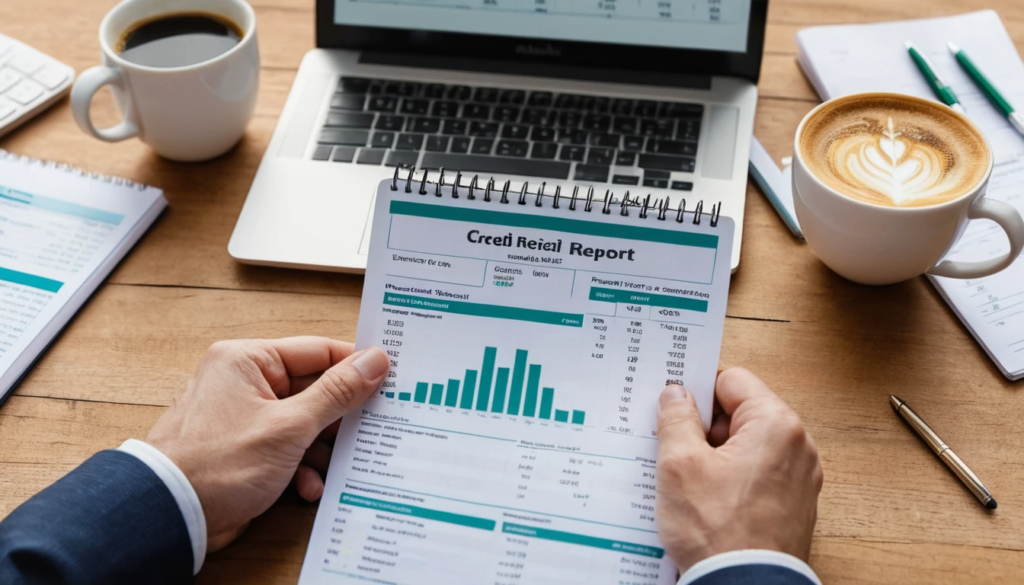
Your credit report is one of the most important financial documents you’ll ever encounter. It’s the key to understanding your financial history, maintaining good credit, and repairing issues that may be holding you back. But credit reports seem like a confusing maze of numbers, terms, and data for many.
This blog will break it all down for you, providing an easy-to-follow guide on reading and using your credit report to improve your financial health.
What Is a Credit Report and Why Does It Matter?
A credit report is a detailed record of your credit history maintained by credit bureaus like Experian, Equifax, and TransUnion. Lenders, landlords, and sometimes even employers use it to evaluate your financial trustworthiness. Your credit report affects loan approvals, interest rates, and even rental applications, making it crucial to understand and manage it effectively.
The Key Components of a Credit Report
A credit report is divided into several sections, each playing a role in shaping your credit profile. Here’s what you’ll find:
- Personal Information
What It Includes: Your name, address, Social Security number, date of birth, and employment history.
Why It Matters: Ensure this information is accurate. Mistakes here could lead to issues like mixed credit files or identity theft.
- Credit Accounts (Tradelines)
What It Includes: Details about your credit cards, loans, mortgages, and other accounts.
What to Look For:
- Account balances and credit limits.
- Payment history (on-time payments or late payments).
- Open and closed accounts.
Late payments and high balances can hurt your score, so ensure the data here is accurate.
- Credit Inquiries
What It Includes: A record of companies that have checked your credit report.
Types of Inquiries:
- Hard Inquiries: Occur when you apply for credit. These may impact your credit score.
- Soft Inquiries: Occur during background checks or pre-approval offers. These do not affect your score.
What to Look For: Review hard inquiries to ensure they are legitimate and recent.
- Public Records
What It Includes: Bankruptcies, tax liens, and civil judgments.
What to Look For: Verify accuracy and ensure outdated items are removed (most public records should disappear after seven years).
- Derogatory Marks
What It Includes: Negative items like late payments, charge-offs, collections, and foreclosures.
What to Look For: Check dates, amounts, and whether the information is accurate. These items have the most significant impact on your score.
- Credit Utilization
What It Includes: The percentage of available credit you’re using.
What to Look For: Aim to keep utilization below 30%. High utilization signals financial strain and lowers your score.
- How to Access Your Credit Report
Everyone is entitled to one free credit report annually from each of the three major bureaus via AnnualCreditReport.com. Some credit card companies and financial apps also offer free credit monitoring services.
Stagger your requests from each bureau throughout the year to keep tabs on your credit more regularly.
- How to Read and Understand Your Credit Report?
Decoding your credit report may seem intimidating at first, but here’s a step-by-step guide to make it manageable:
Start with Personal Information
- Verify that your name, address, and Social Security number are correct.
- Look for any signs of identity theft, like unfamiliar addresses or aliases.
Review Credit Accounts
- Look at each account and confirm the balance, payment history, and status (e.g., open or closed).
- Pay close attention to late payments, as they significantly affect your score.
Check Credit Inquiries
Ensure all hard inquiries are legitimate and remove unauthorized ones by disputing them with the credit bureau.
Examine Public Records and Derogatory Marks
Verify the accuracy of negative items like bankruptcies or collections. If they are incorrect or outdated, dispute them immediately.
- Evaluate Credit Utilization
Divide the total amount of credit you’re using by your total credit limit to calculate your utilization rate. A lower rate is better for your score.
- Common Errors to Watch For
Credit report errors are more common than you might think. Here are the most frequent ones:
- Accounts You Don’t Recognize: This could indicate identity theft or a clerical error.
- Incorrect Payment History: Ensure your on-time payments are recorded accurately.
- Duplicate Accounts: Sometimes, the same account appears multiple times, inflating your debt.
- Outdated Negative Items: Negative marks should typically be removed after seven years.
- Wrong Balances or Limits: Incorrect account balances or credit limits can skew your utilization rate.
What to Do If You Find Errors
If you spot an error, take action immediately:
- Contact the Credit Bureau: File a dispute online, by mail, or over the phone.
- Provide Evidence: Attach supporting documents, like account statements, to back your claim.
- Monitor Progress: Credit bureaus are required to investigate disputes within 30 days. Keep copies of all correspondence for your records.
Using Your Credit Report for Repair
Understanding your credit report is the first step in repairing your credit. Here’s how to use it effectively:
- Identify Weak Points
Focus on areas like late payments, high credit utilization, and derogatory marks.
- Create an Action Plan
Set goals to pay down debt, resolve disputes, or negotiate with creditors.
- Monitor Your Progress
Regularly review your credit report to track improvements and catch new issues early.
Tips for Maintaining a Healthy Credit Report
- Pay On Time: Payment history is the most significant factor in your credit score.
- Keep Utilization Low: Use less than 30% of your total credit limit.
- Avoid Unnecessary Hard Inquiries: Only apply for credit when needed.
- Monitor Your Credit Regularly: Use credit monitoring tools to catch issues early.
- Be Patient: Positive changes take time, but consistency pays off.
Conclusion
Your credit report is more than a snapshot of your financial past. It’s a roadmap to your financial future. By understanding how to read and interpret your report, you gain the power to take control of your financial health.
Whether you’re repairing bad credit or maintaining good credit, your report is an invaluable tool. Take the time to decode your credit report, address errors, and make informed decisions to improve your score.
With a little effort and consistency, you can find better financial opportunities and build a stronger, more secure future.
Don’t let bad credit hold you back. Find proven strategies and immediate solutions in Rubieny Torres’ essential guide. Order The Bantams Titan’s Ultimate Guide to Real-Time Credit Clean-up today!
