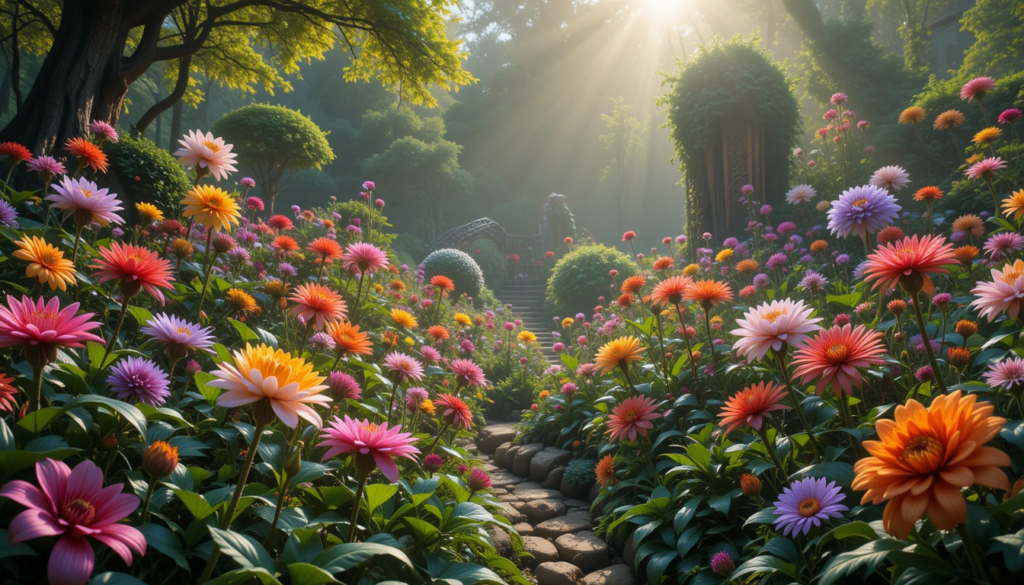
The phrase “the rarest flower in the world” conjures images of fantastical landscapes, yet it reflects the stunning reality of Earth’s botanical diversity. Flowers, celebrated for their breathtaking beauty, intricate adaptations, and profound symbolism, add mystery to the natural world. This article takes you on a journey to discover some of the most unique and fascinating plants and flowers, showcasing their rarity, characteristics, and significance.
Ballerina Orchid: A Dancer in Bloom
The Ballerina Orchid graces this list as one of the rarest flowers on Earth. Blossoming only once every five years is a delicate reminder of nature’s patience. Its unique form and rarity make it a treasure for botanical enthusiasts and conservationists alike.
Passion Flower: Beauty with a Bite
The Passion Flower is a captivating anomaly. Known for its paralyzing properties, this plant is a blend of beauty and danger. Its intricate structure and vibrant colors make it stand out in the floral world, while its medicinal uses add an intriguing layer to its story.
Strongylodon Macrobotrys: The Mesmerizing Jade Vine
Commonly known as the Jade Vine, Strongylodon macrobotrys is a tropical marvel native to the Philippines. Its striking turquoise hue—ranging from yellow to black—and vines stretching up to 18 meters long make it a botanical wonder. The Jade Vine’s beauty is matched only by its ecological importance in tropical forests.
Middlemist’s Red Camellia: A Living Rarity
The Middlemist’s Red Camellia holds the distinction of being the rarest flower in the world. With only two known examples, one in New Zealand and another in England, this flower epitomizes fragility and exclusivity.
Orchis Italica: The Playful Naked Man Orchid
The Orchis italica, or Naked Man Orchid, delights with its whimsical shape resembling a human figure. Native to the Mediterranean, it combines humor and elegance, captivating both scientists and casual observers.
Saffron Crocus: The Golden Treasure
The Saffron Crocus is renowned for producing the world’s most expensive spice. At $1,500 per pound, its value lies not just in its culinary uses but also in its stunning purple petals and golden threads, symbolizing luxury and tradition.
Belladonna: The Deadly Beauty
Belladonna, also known as Devil’s Berries or Deadly Nightshade, is as dangerous as it is alluring. Found in Europe, North Africa, and Western Asia, this plant contains tropane alkaloids that can induce hallucinations and delirium. Its dark history and poisonous allure make it a plant of both fascination and caution.
Nerium Oleander: The Sweetly Scented Killer
Nerium oleander’s beautiful blossoms—crimson, magenta, or creamy white—belie its toxic nature. Every part of this plant is poisonous, making it a paradox of elegance and peril.
Stargazers: Fragrance and Symbolism
Stargazers, a hybrid of Asiatic and Oriental lilies, captivate with their fragrance and symbolism. Pink varieties represent prosperity, yellow symbolizes joy, and white signifies purity. These lilies evoke emotions and adorn gardens with their beauty.
Ghost Orchid: A Mystical Marvel
Dendrophylax lindenii, or the Ghost Orchid, is a rare epiphyte native to Florida and Cuba. Its delicate, white blooms seem to float like apparitions, adding an ethereal quality to this mysterious flower.
Castor Oil Plant: The Dual Nature
Native to Africa but cultivated worldwide, the Castor Oil Plant has a dual reputation. Its seeds produce beneficial oil but also contain ricin, a potent poison. This juxtaposition highlights the complex relationship between humans and plants.
Corpse Flower: Nature’s Titan
The Corpse Flower, one of the largest and smelliest flowers, earns its name from its odor of rotting flesh. Towering up to 10 feet, it is a testament to nature’s extremes, fascinating botanists and visitors alike.
Monkey Orchids: The Cloud Forest Gems
Found in the cloud forests of Ecuador and Peru, Monkey Orchids resemble the face of a monkey. They are rare, taking years to bloom, and thrive in elevations of 1,000–2,000 meters, making them elusive yet captivating.
Anguloa Clowesii: The Cradle Orchid
Native to Colombia and Venezuela, Anguloa clowesii, or the Cradle Orchid, exudes a wintergreen and chocolate fragrance. Its unique pseudobulbs and waxy leaves add to its appeal as a cool-to-cold growing terrestrial orchid.
Large Duck Orchid: A Symbol of Australia’s Fragility
Caleana major, the Large Duck Orchid, is a small yet remarkable plant native to Australia. Its flower resembles a duck in flight and depends on a symbiotic fungus for survival, reflecting the delicate balance of its ecosystem.
Zinnia: A Symbol of Endurance
Native to Mexico, Zinnias thrive in hot and dry conditions, offering vibrant blooms in every color except blue. Celebrated for their resilience, they symbolize lasting friendship and remembrance, connecting cultures through their enduring beauty.
Hemlock: A Lethal Elegance
Hemlock, a biennial herbaceous plant, is infamous for its toxic alkaloids. Native to Europe and North Africa, it has a dark historical legacy, including its role in the death of Socrates. Its tall, hollow stems and delicate flowers are a deceptive mask for its lethal nature.
Lithops: The Living Rocks
Native to Southern Africa, Lithops blend seamlessly with their rocky environment. These succulent plants, also known as Living Rocks, rely on their camouflage to avoid predation, showcasing nature’s ingenuity.
Snapdragons: The Floral Dragons
Snapdragons, or Dragon Flowers, are native to rocky areas of Europe and North Africa. Their seed pods resemble skulls, adding a macabre charm to their vibrant blooms. These flowers self-seed, surviving harsh winters and symbolizing resilience.
Torch Ginger: The Edible Bloom
Native to Southeast Asia, Torch Ginger reaches towering heights of 19 feet. Its spectacular flowers and edible stems are prized in local cuisines, bridging the gap between beauty and utility.
Heavenly Bloom: A Mythical Flower
Believed to bloom every 3,000 years, the Heavenly Bloom symbolizes immortality and the reincarnation of Buddha, according to Buddhist scriptures. Its mystical allure captivates those drawn to spiritual symbolism.
Pitcher Plant: The Carnivorous Trap
The Pitcher Plant, with its unique pitfall traps, thrives in nutrient-poor bogs along North America’s eastern coast. It lures insects with nectar before ensnaring them in digestive fluids, a testament to evolution’s creativity.
Sea Holly: The Summer Attraction
Eryngium, or Sea Holly, features icy blue leaves and blooms that attract pollinators like bees and butterflies. Native to Europe and the Mediterranean, this perennial plant adds a unique charm to summer gardens.
Snake’s Head Fritillary: The Checkered Beauty
Fritillaria meleagris, or Snake’s Head Fritillary, boasts a distinct checkered pattern on its petals. Native to Europe, it offers a blend of visual intrigue and delicate charm, capturing the imagination of flower enthusiasts.
Tiger Orchid: The Hieroglyphic Marvel
The Tiger Orchid, the largest orchid in the world, is native to Central America and Southeast Asia. Its striped petals resemble hieroglyphics, and its epiphytic nature allows it to thrive on other plants without being parasitic.
Lady Slippers: A Protected Treasure
Yellow and Purple Lady Slippers, native to London, are among the most heavily protected flowers due to their rarity. Since 1975, they have been safeguarded under the Conservation of Wild Creatures and Wild Plants Act, ensuring their survival against habitat loss.
Fire Lily: A Deadly Beauty
Gloriosa superba, the Fire Lily, is native to Asia and Africa. Its vibrant petals and toxic nature have earned it notoriety. Despite its poisonous reputation, it serves as Zimbabwe’s national flower, symbolizing cultural pride.
Shenzhen Nongke Orchid: A Man-Made Wonder
The Shenzhen Nongke Orchid, created by Chinese agricultural scientists, is a testament to human ingenuity. Blooming once every 4–5 years, it fetched $180,000 at auction, blending science and artistry.
Juliet Rose: The Million-Dollar Bloom
The Juliet Rose, unveiled at the Chelsea Flower Show in 2006, took 15 years and $3 million to develop. Its large, intricate bloom represents the pinnacle of horticultural achievement.
Rothschild’s Slipper Orchid: The Mount Kinabalu Gem
Endemic to Malaysia’s Mount Kinabalu, Rothschild’s Slipper Orchid takes 15 years to bloom. Its rarity and beauty make it a target for poachers, with stems fetching $5,000 on the black market.
Kadupul Flower: The Priceless Treasure
The Kadupul Flower, native to Sri Lanka, blooms fleetingly at night and withers by dawn. Known as the “Queen of the Night,” it embodies the ephemeral beauty of nature.
Darwin’s Slipper Flower: The Penguin-Like Bloom
Calceolaria uniflora, native to South America, resembles marching penguins. Its unique orange-yellow blooms with burgundy accents make it a delightful and quirky addition to the floral kingdom.
Final Words
The world of rare and unique flowers offers endless fascination. From their extraordinary adaptations to their symbolic meanings, these botanical wonders enrich our planet and inspire awe. Their stories remind us of the importance of conservation and the delicate balance of ecosystems. Let’s cherish and protect these natural treasures for generations to come.
